

Beyond Your Dog Basic Needs

What does my dog really need to be happy and well-behaved?
This is a question many responsible dog parents ask, and the answer goes way beyond food and walks. To truly meet your dog’s needs (not just physical, but also emotional, social, and mental) is the key to giving them a balanced, healthy, and happy life.
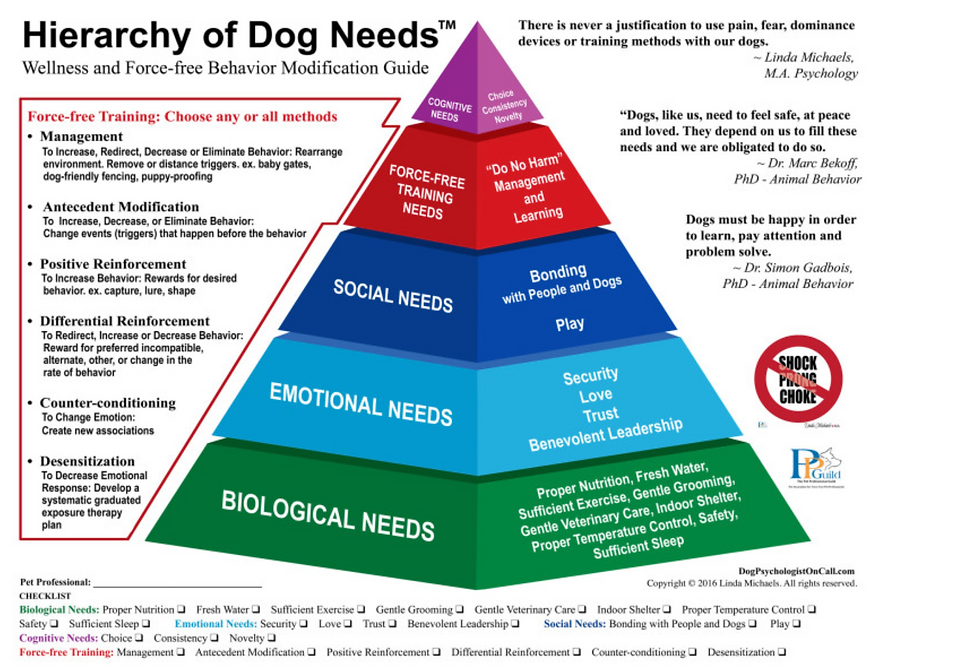
Today I want to share a powerful tool with you: The Dog’s Pyramid of Needs. It’s a visual guide inspired by Maslow’s hierarchy of needs, adapted for canine well-being from an ethical, force-free perspective. This pyramid reminds us that our dogs, as our life companions, deserve care, respect, and love on all levels.
But what exactly are a dog’s basic needs to live a balanced, healthy life?
Food and water are just the beginning. Dogs are social, emotional beings. To keep them balanced, we need to meet all of their needs. Let me walk you through everything you should know to help your dog be truly happy and healthy.
The Basics: What Does a Dog Really Need?
1. Food: Beyond Kibble
Turid Rugaas, one of the most respected experts in dog behavior, advocates for a natural diet with fresh, balanced ingredients. According to her model, the ideal dog diet includes:
1/3 vegetables
1/3 protein
1/3 carbohydrates (like potato, sweet potato, rice, pasta...)
She also recommends feeding dogs twice a day to keep their blood sugar stable. This helps reduce food anxiety and encourages them to chew and enjoy their meals rather than gulping them down.
Pro Tip: Chewing is also a great stress reliever for dogs! Giving them something that takes time to chew, like a large raw bone or antlers, not only strengthens their jaw but also signals their brain that they’re full. The result? A calmer, more relaxed pup.
2. Fresh Water - Always available!
It might sound obvious, but it’s crucial: your dog should always have access to clean, fresh water. Staying hydrated is essential for their health, so check their water bowl several times a day and refill it as needed. A dehydrated dog can become tired, irritable, or even develop serious health issues.
3. Sleep: A Must for Body and Mind
Sleep is vital for dogs, not just to rest, but to physically and mentally recharge. Adult dogs typically sleep 14–18 hours a day, while puppies and seniors may sleep even more.
Lack of proper sleep can lead to chronic stress, irritability, and developmental issues. Fun fact: the first brain cells affected by sleep deprivation are the ones linked to social behavior! In fact, studies suggest that total sleep deprivation for more than six days can be lethal.

Dogs are polyphasic sleepers, which means they sleep in multiple short bursts throughout the day. 80% of their sleep is deep sleep, where the brain slows down to allow for cell regeneration and physical recovery. Dogs naturally seek warmth and comfort during this time, especially older dogs, who need more heat to sleep well.
The remaining 20% is REM sleep, where they dream! During REM, their brains are more active than when awake, but their muscles are completely relaxed. To get quality REM sleep, dogs need space to stretch out comfortably.
Pro Tip: If your dog’s behavior changes (especially socially) check their sleep first! Poor sleep could be the culprit.
Make sure your dog has a quiet, comfy space to rest, away from noise and interruptions. Let them choose their sleeping position, having options helps improve sleep quality and overall well-being.
4. Peeing and Pooping: A Health Indicator
Monitoring how often your dog pees can tell you a lot about their health and stress levels. Here’s a little experiment:
Count how many times your dog pees in 24 hours over three months (for example: April, May, and June).
If your dog is peeing 20–30 times a day, this might be a sign of stress. Not all stressed dogs pee a lot, but if you notice a sudden increase, it could be a red flag.
Pro Tip: If you see changes in their bathroom habits, talk to a vet or dog behaviorist.
5. Physical Contact and Socialization
Dogs are social animals, just like us! They need physical and emotional contact to feel secure and balanced. Petting, cuddling, or simply spending quality time together strengthens your bond. But respect their space and personality, not every dog enjoys the same kind of touch. Pay attention to their signals and learn what they like and don’t like.
Pro Tip: Spending quality time together (cuddling, sleeping, playing, walking, exploring new places) builds trust and deepens your connection.
6. The Dog’s Pyramid of Needs
Just like humans, dogs have needs that go beyond survival. Picture it as a pyramid of well-being, where each level is crucial for a happy, balanced dog. Here’s a quick breakdown:
BIOLOGICAL NEEDS (The base of the pyramid)
Natural, balanced food
Fresh water always available
Proper sleep (more than 14h)
Hygiene and health
Physical contact and a safe space/environment
Proper exercise: quality walks, sniffing, playing, exploring
These are essential for your dog’s physical and mental health.
EMOTIONAL NEEDS (Second level)
Dogs feel... a lot! Meeting their emotional needs helps prevent behavior issues and keeps them balanced inside. They need:
Safety: Avoid punishment. A fear-free environment with no yelling or harsh discipline.
Love and affection: Every dog needs this in their own way, but all crave companionship.
Trust: Built with patience and consistency.
Leadership through empathy and positive communication: Be a guide, not a boss. Show them the way without fear or dominance.
Remember: Fear and insecurity are the enemies of learning.
SOCIAL NEEDS (Third level)
Dogs need connection. It’s important for them to interact positively with other dogs and people. Quality time, play, and companionship are key.
Human bond: Time with you: playing, cuddling (if they like it), just being together.
Dog interaction: If your dog is social, other dog relationships can be very fulfilling.
Pro Tip: Just one daily game can prevent boredom, frustration, and destructive behaviors.
Example: Hide treats or their favorite toy around the house for them to find.
COGNITIVE NEEDS (Top of the pyramid)
Dogs think, and their minds need stimulation!
Solving problems
Learning new things
Exploring enriched environments (new places, smells, games…)
Making choices: let them pick (toys, walking routes, pace…)
Idea: Introduce scent games or mental challenges to keep their brain sharp and healthy.
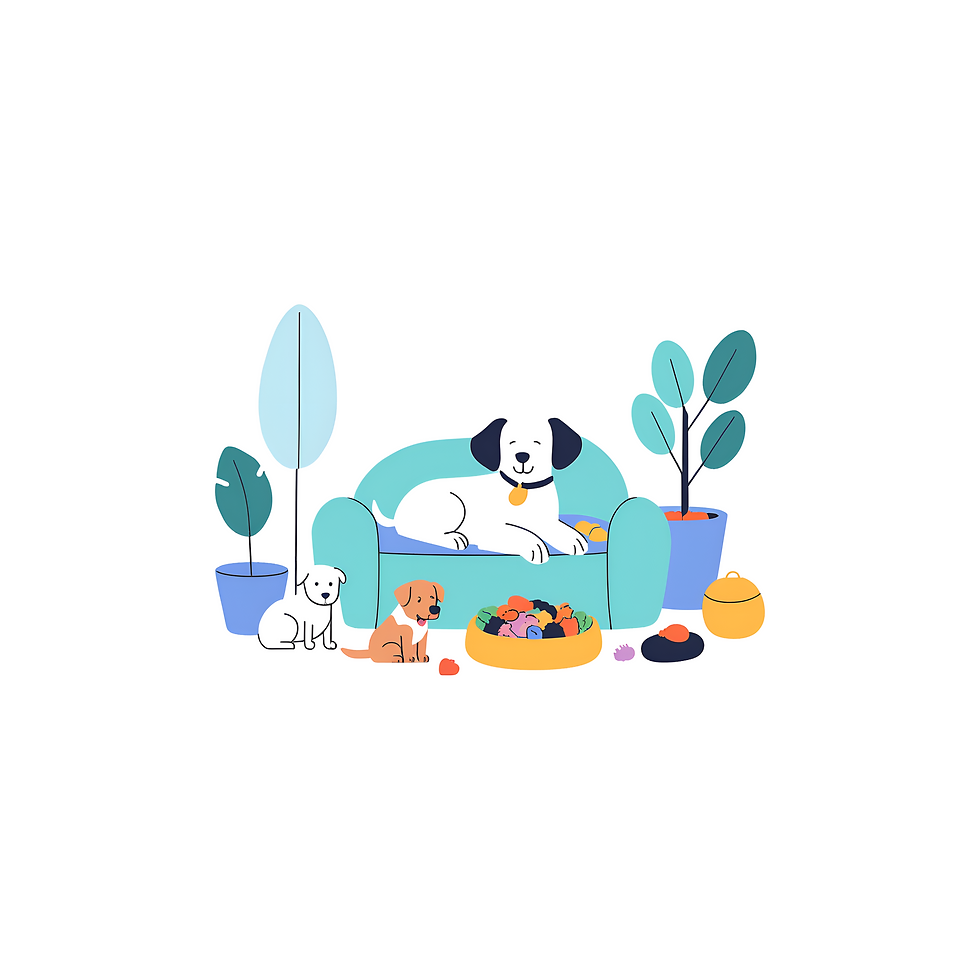
Understanding these levels helps you give your dog a full, happy life, where they thrive, not just survive.
This pyramid comes with a philosophy:
NO to fear, pain, or dominance.That means: No choke, prong, or shock collars. Positive reinforcement and environment management work better, and are kinder.
As Dr. Simon Gadbois says:
“Dogs must be happy to learn, pay attention, and solve problems.”

Responsible Dog Parent Checklist
Let’s do a quick check:
Does my dog have proper food, water, exercise, and rest?
Does my dog feel safe and confident at home and on walks?
Do we play and spend quality time together, with people and other dogs?
Do I stimulate my dog’s mind with games and activities?
Do I use respectful methods to train and guide my dog?
Final Thoughts
Understanding and respecting your dog’s needs transforms your life together. It’s not just about avoiding problems, it’s about sharing a life full of connection, well-being, and love.
Your dog doesn’t need to be “dominant,” and you don’t need to be an “alpha.” Your dog needs you to be their guide, protector, and companion.
A cared-for dog is a happy dog, and a happy dog is the best life companion you could ask for!
🐾 With love,
Belén
Conscious Dog Educator & Dog Lover


Comments