

Stop Throwing the Ball!

Hi dog lovers! Happy New Year!
I’m back with a post that’s sure to surprise many and spark some discussion.
Don’t worry—this isn’t about human anatomy! Instead, we’re talking about what happens to your dog when you throw the ball.
It’s common to see dogs chasing balls at parks and dog runs, but have you noticed that these places are often filled with anxious, restless dogs? Ever wonder why?

The Myth of exhaustion
Contrary to popular belief, dogs don’t need to be exhausted to be calm at home. That’s a myth!
Throwing objects like sticks, balls, or other toys for your dog to chase isn’t good for their physical or mental health. This activity involves sudden starts, stops, jumps, and sharp turns—all of which can be tough on their bodies.
Why dogs chase
Dogs chase balls because they’re wired to pursue moving objects. In the wild, this instinct is tied to hunting prey, which is followed by behaviors like chewing, grooming, and resting. These activities balance out the energy expenditure and stress of the chase.
When you repeatedly throw the ball, your dog’s natural sequence is incomplete, and they don’t get to release the stress of the pursuit.
Throwing the ball over and over again will only leave you with a stressed-out dog.[1]
The Stress cycle
Stress triggers the release of sugar into your dog’s muscles instead of their brain, preparing their body for a "fight or flight" response. As a result, they’ll feel the need to keep moving and find it hard to relax. On top of that, the adrenaline released during these activities can become addictive.
Yes, dogs can get addicted to chasing balls!
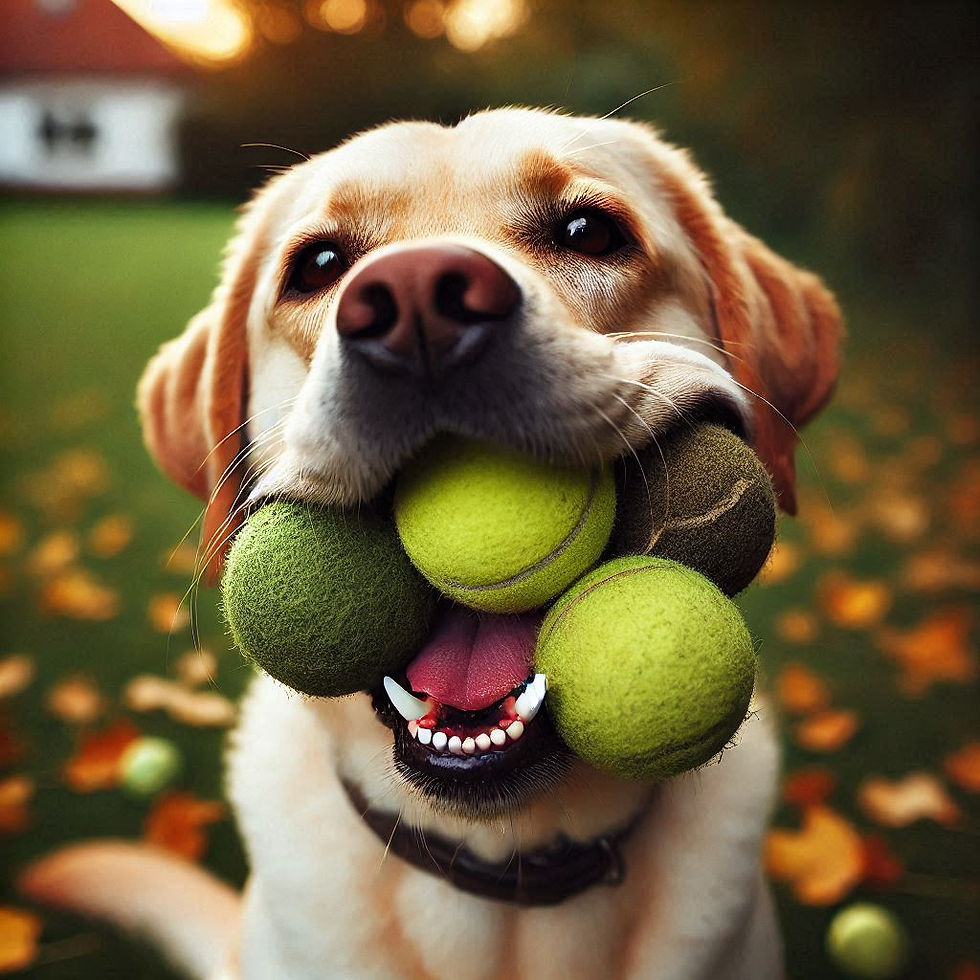
If you play fetch with your dog every day, it’s very likely they’ve developed this addiction. Signs include:
Preferring the ball over socializing with other dogs.
Relentlessly chasing the ball without tiring.
Struggling to enjoy other activities.
If any of these sound familiar, your dog might be a ball addict.
Consequences of ball addiction
A ball-obsessed dog may:
Become more anxious and struggle to relax.
Develop muscle pain or injuries.
Have trouble focusing, learning, remembering, and solving problems.
Exhibit behavior changes and difficulties socializing with other dogs.
Find study on reference [2]
(I also recommend reading Blog post on Signs of Stress)
What should we do instead?
Stop throwing the ball.
Avoid parks or areas where people frequently play fetch.
Leave toys at home.
Walks are for exploring, sniffing, and relaxing—not for chasing after a ball.
Take calm walks together.
Change up your routes to keep things interesting and encourage exploration.
Let your dog chew on the ball at home.
If chewing helps them relax, let them enjoy it at home—but make sure the ball is safe for their teeth.
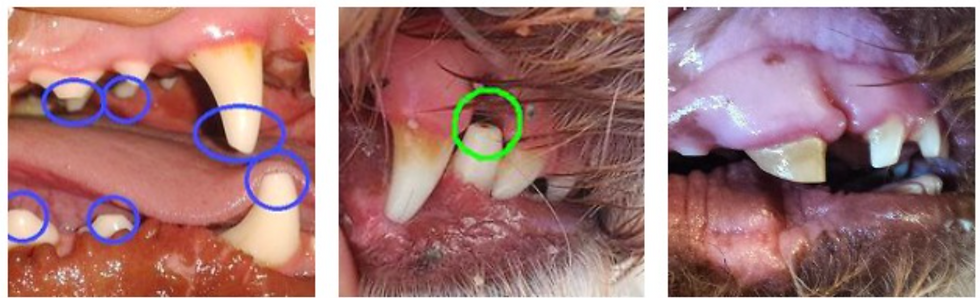
Avoid tennis balls! Tennis balls contain fiberglass and act like sandpaper, wearing down your dog’s teeth over time.
Play hide-and-seek with the ball.
Instead of encouraging their prey drive through movement (sight-based hunting), teach them to use their nose to find the ball. It’s mentally stimulating and calming.
Depending on your dog’s level of addiction, it might be better to avoid the ball altogether for a while.
Encourage scent games.
Scent games provide mental stimulation, keep your dog engaged, and help them relax.
Plan adventures together.
Go on hikes, visit the beach, or explore new places where your dog can roam and enjoy freedom of movement.
Breaking the Habit
If your dog is addicted to the ball, be patient. Give them time to adjust and introduce new ways for them to enjoy life. If they’re not addicted yet, now you know how to prevent it.
There are countless fun activities you can do with your dog that don’t involve a ball!

Share this post with your friends in case they don't know!
Pawww,
Belén
[1] Stress, Anxiety and Aggression in Dogs Paperback –by Anders Hallgren
[2] Back problems in dogs: underlying causes for behavioral problems Hardcover – by Anders Hallgren


Comments